Für statistische Zwecke und um bestmögliche Funktionalität zu bieten, speichert diese Website Cookies auf Ihrem Gerät. Das Speichern von Cookies kann in den Browser-Einstellungen deaktiviert werden. Wenn Sie die Website weiter nutzen, stimmen Sie der Verwendung von Cookies zu.

Cookie akzeptieren
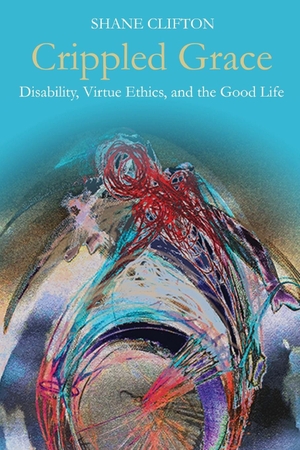
Clifton, Shane. Crippled Grace - Disability, Virtue Ethics, and the Good Life. Longleaf Services on behalf of Baylor University P, 2019.
eng

Shane Clifton

Crippled Grace

Disability, Virtue Ethics, and the Good Life
  • Longleaf Services on behalf of Baylor University P
  • 2019
  • Taschenbuch
  • 310 Seiten
  • ISBN 9781481307475

Crippled Grace combines disability studies, Christian theology, philosophy, and psychology to explore what constitutes happiness and how it is achieved. The virtue tradition construes happiness as whole-of-life flourishing earned by practiced habits of virtue. Drawing upon this particular understanding of happiness, Clifton contends that the experience of disability offers significant insight into the practice of virtue, and thereby the good life. With its origins in the author's experience of adjusting to the challenges of quadriplegia, Crippled Grace considers the diverse experiences of people with a disability as a lens through which to understand happiness and its attainment. Drawing upon the virtue tradition as much as contesting

Mehr Weniger
it, Clifton explores the virtues that help to negotiate dependency, resist paternalism, and maximize personal agency. Through his engagement with sources from Aristotle to modern positive psychology, Clifton is able to probe fundamental questions of pain and suffering, reflect on the value of friendship, seek creative ways of conceiving of sexual flourishing, and outline the particular virtues needed to live with unique bodies and brains in a society poorly fitted to their diverse functioning. Crippled Grace is about and for people with disabilities. Yet, Clifton also understands disability as symbolic of the human condition--human fragility, vulnerability, and embodied limits. First unmasking disability as a bodily and sociocultural construct, Clifton moves on to construct a deeper and more expansive account of flourishing that learns from those with disability, rather than excluding them. In so doing, Clifton shows that the experience of disability has something profound to say about all bodies, about the fragility and happiness of all humans, and about the deeper truths offered us by the theological virtues of faith, hope, and love.

Etwa 20 Tage